Maximizing Efficiency in Agriculture: Expert Farm Equipment Repair and Strategies to Overcome Information Silos Problems
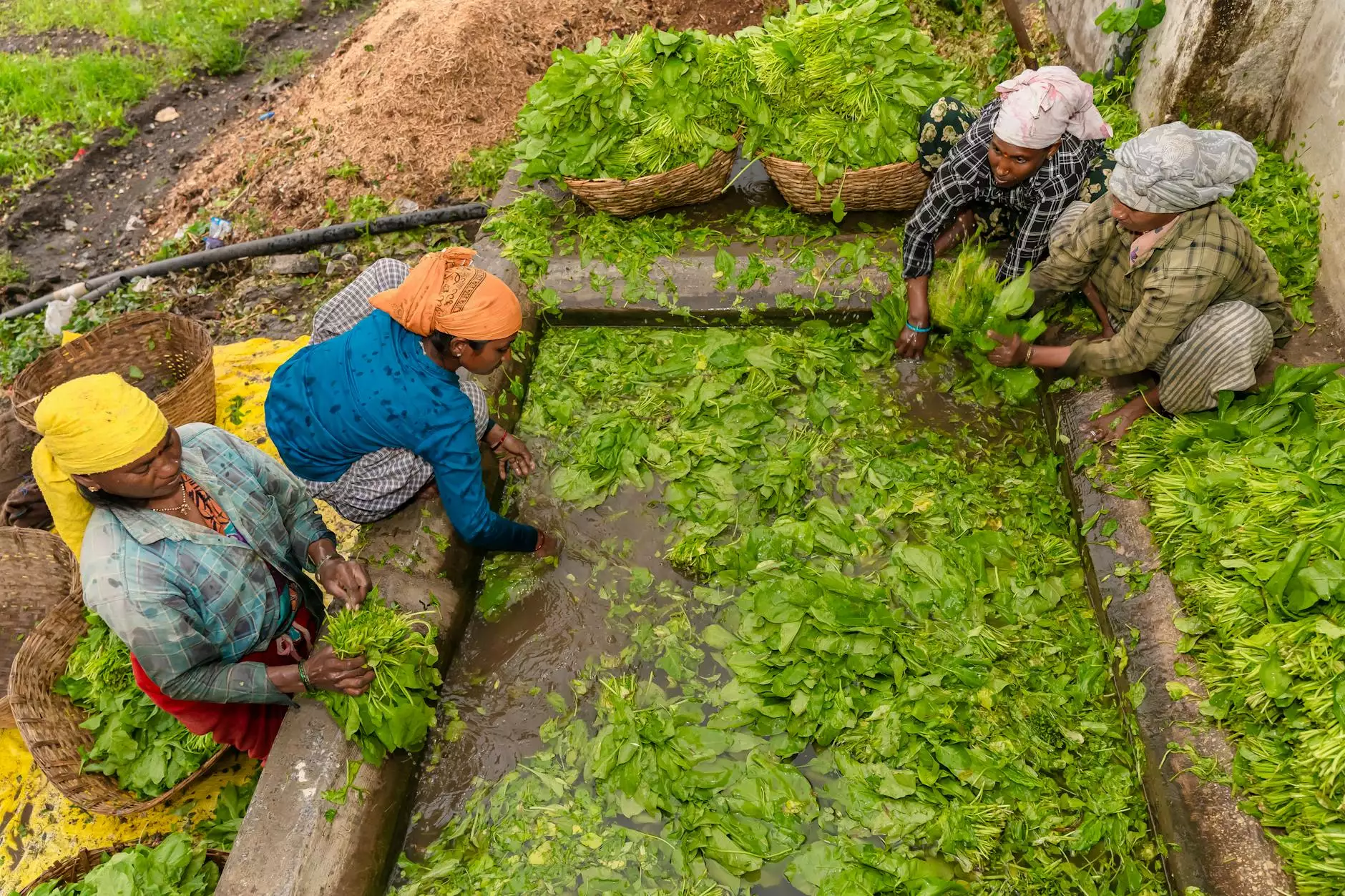
In the rapidly evolving world of agriculture, efficient farm equipment repair and advanced farming technology play a pivotal role in boosting productivity and profitability. As farms grow larger and more complex, the challenge of maintaining equipment and integrating diverse systems becomes more significant. One of the most persistent hurdles faced by modern agricultural enterprises is the emergence of information silos problems. These barriers can hamper data sharing, reduce operational efficiency, and ultimately impact crop yields and profitability.
Understanding the Importance of Farm Equipment Maintenance & Repair
Farm equipment repair is a foundational aspect of sustaining productive and profitable farming operations. Whether it's tractor repairs, combine harvesters, irrigation systems, or planting machinery, having reliable equipment ensures timely field operations. Neglecting maintenance can lead to unexpected breakdowns, costly repairs, and downtime that jeopardizes the entire farming schedule.
Equally important is the role of professional repair services—such as those provided by TSGC Inc.—which utilize state-of-the-art diagnostics, skilled technicians, and genuine parts to restore equipment to optimal condition. Routine inspections, preventive maintenance, and prompt repairs are essential for:
- Reducing operational costs
- Extending equipment lifespan
- Ensuring safety on the farm
- Maintaining high crop yields
Types of Farming Equipment and Their Maintenance Needs
Modern farms utilize a diverse range of equipment, including but not limited to:
- Tractors: The backbone of most farming operations; require regular engine checks, hydraulic system maintenance, and tire inspections.
- Harvester machines: Combine harvesters and threshers demand precise calibration and cleaning to prevent breakdowns during peak seasons.
- Irrigation systems: Drip lines, pivots, and pump stations require periodic inspection to prevent clogs and equipment failure.
- Planting equipment: Seeders and planters need fine-tuning to ensure uniform seed distribution and proper soil preparation.
- Livestock equipment: Feeding systems and manure handling machinery also benefit from routine servicing for smooth operation.
Effective maintenance and repair strategies focus on early detection of issues, minimizing downtime, and optimizing equipment performance. Partnering with a reputable farm equipment repair service provider like TSGC Inc. guarantees access to comprehensive repair solutions tailored to each machinery type.
How Information Silos Problems Affect Modern Farming Operations
While advanced equipment has revolutionized agriculture, the integration of disparate systems presents new challenges—most notably, information silos problems. These occur when data within an organization is isolated within specific departments or systems, preventing smooth communication and data flow across the entire operation.
Definition and Causes of Information Silos Problems
Information silos problems arise when individual tools, databases, or departments fail to share critical data, leading to fragmented decision-making, duplicated efforts, and inefficiencies. The primary causes include:
- Use of incompatible software platforms or outdated systems
- Lack of integrated data management strategies
- Resistance to technological change among staff
- Insufficient training on data sharing protocols
- Siloed organizational structures that discourage collaboration
Impact of Information Silos Problems in Farming
In the context of agriculture, these problems can be devastating, leading to:
- Delayed decision-making: Incomplete data hampers timely responses to weather changes, pest outbreaks, or machinery breakdowns.
- Reduced productivity: Disconnected systems cause duplicated efforts and resource misallocation.
- Lower crop yields: Ineffective data utilization affects planting schedules, fertilization, and irrigation.
- Increased operational costs: Inefficiencies drive up fuel, labor, and repair expenses.
- Loss of competitiveness: Farms unable to adapt quickly fall behind digitally advanced competitors.
Strategies to Overcome Information Silos Problems in Agricultural Business
Addressing and solving information silos problems requires a strategic approach that emphasizes integration, communication, and technology adoption.
1. Implement Integrated Data Management Systems
Modern farm management encourages the deployment of comprehensive ERP (Enterprise Resource Planning) systems that unify data from various sources—machinery, crop scanning, financial records, and inventory. Such integration enables real-time insights, better planning, and coordination among departments.
2. Adopt IoT and Precision Agriculture Technologies
The advent of Internet of Things (IoT) devices and sensors allows farms to collect data directly from equipment and fields. When connected to centralized platforms, Farm Managers can access accurate, real-time data to make informed decisions, reducing data fragmentation.
3. Foster a Collaborative Organizational Culture
Encouraging open communication channels and cross-departmental collaboration contributes to breaking down information silos. Shared goals, regular meetings, and training promote data sharing and collective problem-solving.
4. Invest in Training and Support
Educating staff on the importance of data sharing, cybersecurity, and system usage ensures maximal benefit from integrated solutions. Expert support from specialized repair and technology providers like TSGC Inc. can facilitate smooth system implementation and troubleshoot issues proactively.
5. Leverage Professional Equipment Repair & Maintenance Services
Maintaining reliable machinery enhances data accuracy and operational continuity. Routine repairs, timely upgrades, and diagnostics from trusted providers ensure that equipment functions seamlessly, supporting integrated data systems.
The Role of TSGC Inc. in Supporting Modern Agriculture & Solving Information Silos Problems
TSGC Inc. specializes in farm equipment repair and farming equipment solutions with a dedication to maximizing operational efficiency. By providing top-tier repair services, preventive maintenance, and technology integration support, TSGC Inc. helps farms transition smoothly into digitally connected operations.
Our expert technicians are trained to work with a variety of machinery and digital systems, ensuring that your farm's equipment and data systems are optimized for integration. Here's how TSGC Inc. contributes to overcoming information silos problems:
- Providing diagnostics and repair services to minimize equipment downtime
- Advising on compatible systems for data integration
- Offering training on emerging farming technologies
- Supporting the deployment of IoT devices and sensors
- Ensuring security protocols are followed during system integration
Benefits of Addressing Information Silos Problems in Agriculture
By effectively tackling information silos problems, farms can unlock numerous benefits:
- Enhanced decision-making: Access to comprehensive, real-time data facilitates quick and accurate decisions.
- Operational efficiency: Streamlined workflows reduce waste, time, and energy consumption.
- Higher yields and quality: Better data leads to optimized planting, fertilizing, and harvesting.
- Cost savings: Preventing machinery failures and reducing redundancies cut overall expenses.
- Future readiness: Data-driven farms are better positioned to adopt innovations and adapt to changing conditions.
Conclusion
In the modern agricultural landscape, success hinges on efficient equipment maintenance, data integration, and overcoming information silos problems. Partnering with experienced professionals like TSGC Inc. ensures your farm remains competitive, productive, and technologically advanced. Embrace the right solutions today to maximize your farm's potential, safeguard your investments, and promote sustainable growth for the future.
Remember, in agriculture, the path to prosperity is built on reliable equipment, integrated data systems, and a proactive approach to problem-solving. By focusing on these key areas, your farm can thrive amidst the challenges of modern farming and confidently move toward a more efficient, data-driven future.