Mastering the Trucking Dispatcher Business: Unlock Growth & Success in Transportation & Vehicle Shipping
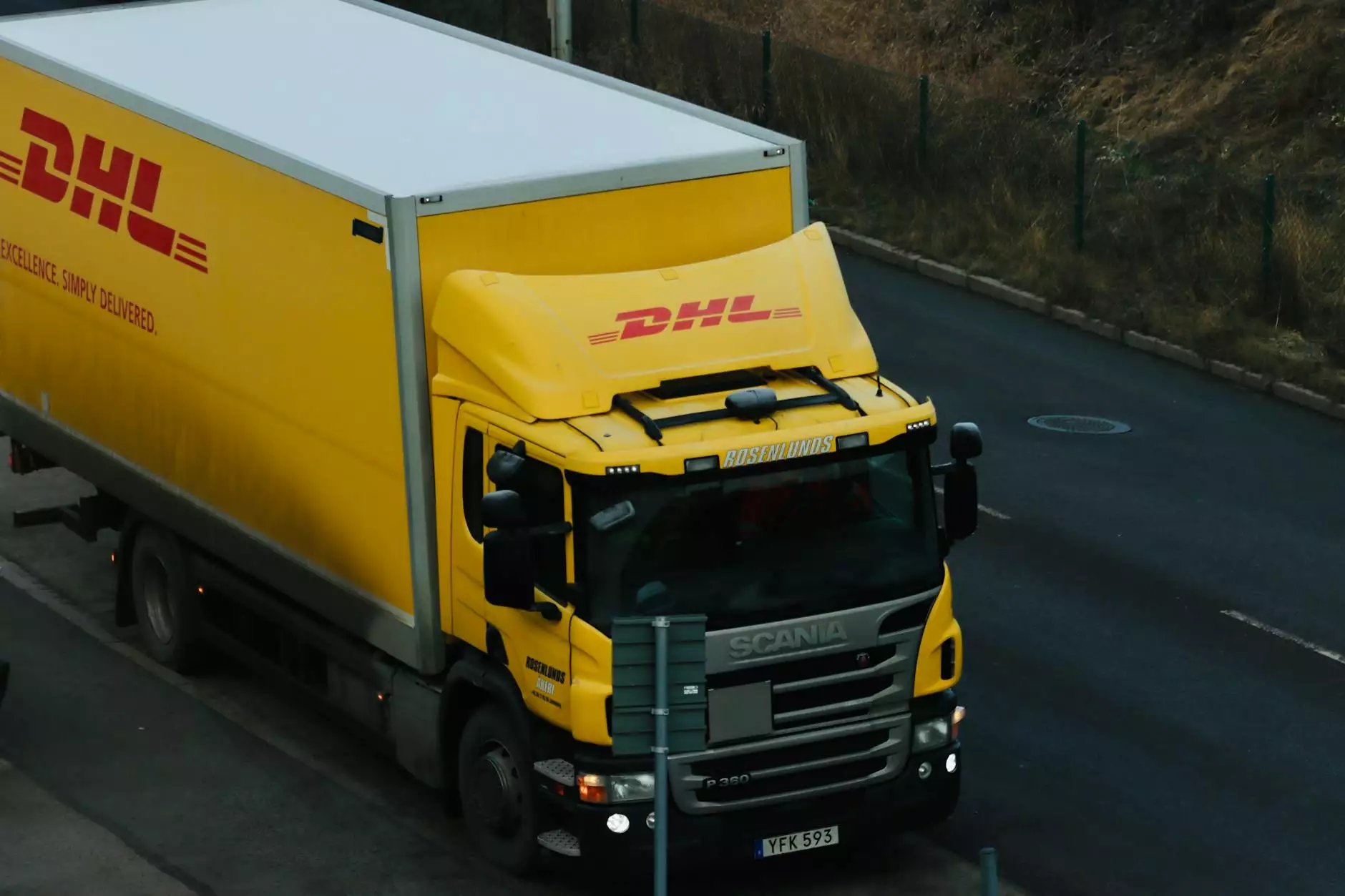
In the rapidly evolving landscape of the logistics and transportation industry, the trucking dispatcher business stands out as a vital component for ensuring that goods are moved efficiently, cost-effectively, and reliably. Whether you're an aspiring entrepreneur or an established company aiming to optimize your operations, understanding the core elements that drive success in this field is essential. This comprehensive guide dives deep into the fundamentals, strategies, and innovative practices that lead to thriving in the competitive arena of transportation, business consulting, and vehicle shipping.
Understanding the Trucking Dispatcher Business: An Industry Overview
The trucking dispatcher business acts as the nerve center of freight movement, serving as the critical link between shippers and carriers. Dispatchers coordinate the logistics of freight transportation, manage schedules, negotiate rates, and ensure compliance with transportation regulations. Their role is fundamental in maximizing efficiency, reducing costs, and providing exceptional customer service.
With the global increase in e-commerce, supply chain complexities, and technological advancements, the demand for skilled dispatchers and innovative logistics solutions continues to grow.
Core Pillars of a Successful Trucking Dispatcher Business
1. Strategic Planning & Business Modeling
A successful trucking dispatcher business starts with a solid strategic plan. This involves analyzing market trends, identifying target clients such as manufacturers, distributors, and logistics companies, and developing a business model that favors scalability and adaptability.
Key considerations include:
- Defining clear service offerings (e.g., local, regional, or nationwide dispatch)
- Choosing the right legal structure and licensing
- Establishing competitive pricing strategies
- Implementing technology integration for tracking and communication
2. Industry Expertise and Regulatory Compliance
An in-depth understanding of transportation laws, safety standards, and freight regulations is crucial. Staying compliant reduces risks of fines or operational disruptions. Mastery in these areas also enhances credibility and attracts high-value clients.
3. Advanced Technology Adoption
Leveraging cutting-edge transportation management systems (TMS), GPS tracking, electronic logging devices (ELD), and data analytics empowers dispatchers to optimize routes, monitor fleet performance, and improve communication with drivers and clients.
This technological edge is essential for elevating the trucking dispatcher business above competitors and providing reliable, real-time service.
4. Strong Relationships & Business Networking
Building durable relationships with shippers, carriers, and other stakeholders is integral to long-term success. Effective networking fosters loyalty, enables better rate negotiations, and opens opportunities for expansion.
5. Skilled Workforce & Training
Employing trained dispatchers who understand industry nuances, possess excellent communication skills, and can adapt to market changes ensures operational excellence. Ongoing training and professional development are vital for keeping the team updated on best practices.
Role of Technology in Elevating the Trucking Dispatcher Business
Harnessing Fleet Management Software
Modern freight operations depend heavily on integrated software platforms that facilitate load planning, driver scheduling, and real-time tracking. These systems provide data-driven insights optimizing asset utilization and reducing empty miles.
Implementing Automation & AI
Artificial intelligence (AI) and automation streamline routine tasks such as load matching, documentation, and compliance checks. This reduces overhead, minimizes human error, and accelerates decision-making processes.
Data Analytics & Business Intelligence
Analyzing operational data helps identify trends, forecast demand, and tailor services accordingly. For example, predictive analytics can optimize seasonal dispatch strategies, ensuring capacity is aligned with market needs.
Revenue Streams in the Trucking Dispatcher Business
The success of your dispatch enterprise depends upon diversified revenue generation. Below are some primary income sources:
- Dispatch Fees: Charges based on percentage of freight charges or flat fees per load.
- Consulting & Advisory Services: Offering industry insights and strategic advice to trucking companies and fleet owners.
- Technology Solutions: Providing or reselling dispatch software and tracking tools.
- Value-Added Services: Insurance brokerage, compliance support, and logistical planning.
Effective Marketing & Customer Acquisition Strategies
Growing your trucking dispatcher business mandates a dynamic marketing approach aimed at building brand trust and acquiring high-quality clients.
Digital Presence & Content Marketing
Developing a professional website like logitydispatch.com ensures online visibility. Regular blog posts, case studies, and industry news attract organic traffic and position your brand as a thought leader.
Networking & Industry Events
Participating in transportation expos, industry seminars, and local business meetups facilitates valuable connections leveraging partnership opportunities.
Referral & Loyalty Programs
Implementing client referral incentives encourages existing partners to recommend your services, fostering organic growth.
Challenges & How to Overcome Them in the Trucking Dispatcher Business
Every industry comes with its set of hurdles. The key to sustained success lies in proactively addressing these challenges:
1. Fluctuating Freight Demand
Market volatility can affect load availability. Diversifying service offerings and maintaining diverse client portfolios mitigate this risk.
2. Regulatory Changes & Compliance
Regularly updating operational protocols and investing in compliance training ensures adherence to industry standards and prevents penalties.
3. Technology Adoption & Integration
While investing in technology may seem daunting, choosing user-friendly systems and providing staff training guarantees smooth integration and operational efficiency.
4. Driver & Fleet Management
Effective communication, incentives, and safety programs promote driver satisfaction, reducing turnover and maintaining service reliability.
Future Trends & Innovations in the Transportation & Vehicle Shipping Sector
The industry is on the cusp of technological revolution, with innovations poised to redefine the trucking dispatcher business. Key trends include:
Autonomous Vehicles
Driverless trucks promise to enhance safety, reduce labor costs, and increase delivery efficiency, although regulatory framework development is ongoing.
Green & Sustainable Logistics
Electric trucks and eco-friendly practices are gaining traction, aligning the industry with global sustainability goals.
Digital Freight Marketplaces
Platform-based freight matching simplifies load procurement, improves transparency, and supports gig-economy style logistics operations.
Blockchain for Supply Chain Transparency
Blockchain-based solutions will increase transparency, security, and auditability, fostering trust among stakeholders.
Concluding Insights: Building a Resilient & Profitable Trucking Dispatcher Business
Succeeding in the trucking dispatcher business demands a combination of strategic planning, technological mastery, industry expertise, and relentless commitment to customer service. By focusing on efficiency, compliance, and innovation, your enterprise can achieve sustainable growth and operational excellence in transportation and vehicle shipping.
Embrace continuous learning, invest in cutting-edge tools, and nurture strong industry relationships to stay ahead in this dynamic market. Remember, the backbone of successful logistics lies in your ability to adapt and deliver value consistently.
For comprehensive transportation solutions and professional dispatching services, explore logitydispatch.com—your trusted partner in mastering the trucking dispatcher business.