Understanding the Pumpkin Origin: A Comprehensive Guide for Gardeners
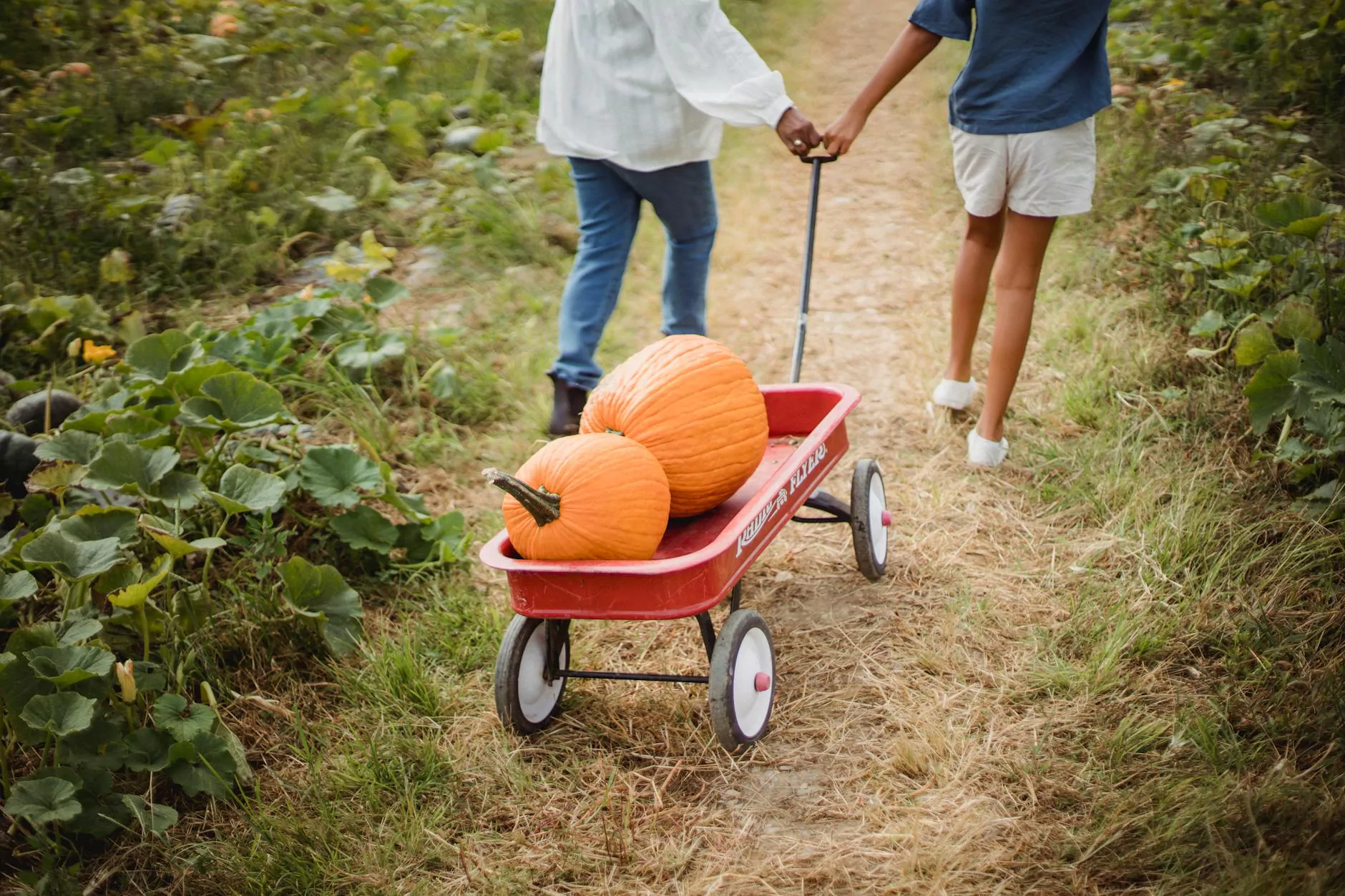
The pumpkin origin is a captivating story that intertwines ancient civilizations, agricultural innovation, and cultural symbolism. For gardeners, understanding the history and origin of pumpkins is not merely an academic pursuit but a foundational aspect that enriches their appreciation, cultivation skills, and horticultural success. This extensive guide delves into the intricate history of pumpkins, exploring their origin, genetic diversity, cultural significance, and practical cultivation tips rooted in their ancient beginnings.
Historical Roots of the Pumpkin Origin: Tracing Back to Ancient Civilizations
The story of the pumpkin origin begins thousands of years ago in North America, where indigenous peoples first cultivated these versatile gourds. Archaeological evidence points to pumpkin cultivation as far back as 7,000 years ago, making them some of the earliest cultivated plants in the New World. The indigenous peoples of North America, such as the Aztecs, Incas, and various tribes, relied heavily on pumpkins for sustenance, medicinal purposes, and cultural rituals.
Early Cultivation and Domestication
Ancient civilizations domesticated native squash and pumpkin varieties, developing multiple cultivars adapted to various environmental conditions. The early pumpkin plants were characterized by their large, round gourds with hollow interiors, ideal for storage and cooking. The farmers selected for traits like size, flavor, and ease of harvesting, leading to the diverse pumpkin varieties we see today.
Spread Across Continents
By the late 15th and early 16th centuries, after European explorers set sail across the Atlantic, pumpkins were introduced to Europe and Africa. The pumpkin origin then extended beyond the Americas, finding new cultural and culinary roles across the world. Despite this global spread, the majority of traditional pumpkin varieties retain their roots in North American agricultural history.
Genetic Diversity and Varietal Evolution: The Roots of Pumpkin Diversity
One of the most remarkable features of the pumpkin origin is the incredible genetic diversity. Today, pumpkin cultivars range from small decorative gourds to large field pumpkins used for commercial farming. This diversity results from millennia of selective breeding, adaptation to local climates, and cultural preferences.
Major Pumpkin Categories Derived from Pumpkin Origin
- Hospitality pumpkins: Traditionally used for culinary purposes in Native American cultures.
- Decorative gourds: Evolved from ornamental varieties rooted in early indigenous farming practices.
- Field pumpkins: Larger varieties, such as the classic orange pumpkin, cultivated for consumption and festivals like Halloween and Thanksgiving.
- Miniature pumpkins: Compact varieties bred for ornamental purposes, originating from selective breeding in various regions.
The Cultural and Culinary Significance of Pumpkins in Human History
The pumpkin origin has greatly influenced human culture, especially in North America. Pumpkins hold a symbolic place in folklore, festivals, and cuisine, reinforcing their importance beyond mere agricultural produce.
Native American Traditions and the Pumpkin
For centuries, indigenous tribes have used pumpkins in rituals, medicine, and daily diet. They believed pumpkins possessed healing properties and integrated them into spiritual ceremonies. Their versatile use—as food, container, and decoration—embody the resourcefulness of these ancient peoples.
Pumpkins in Western Celebrations
European settlers adopted pumpkins in celebrations such as harvest festivals and later, Halloween. The tradition of carving pumpkins, transforming them into jack-o'-lanterns, stems directly from indigenous practices and European folklore. Additionally, pumpkin-based dishes like pumpkin pie, roasted pumpkin, and soups have become staples of modern cuisine.
Practical Insights for Gardeners: Cultivating Crops with an Understanding of Pumpkin Origin
For gardeners aiming to grow pumpkins successfully, understanding their origin informs cultivation practices, genetic traits, and adaptation strategies. Here are crucial insights for cultivating pumpkins with respect to their historical and botanical roots.
Choosing the Right Pumpkin Varieties
Knowledge of the pumpkin origin helps gardeners select varieties suited to their local environment and intended use. For instance, heirloom varieties carry genetic traits from their indigenous ancestors, often offering superior flavor and nutrition. Modern hybrids provide larger yields and disease resistance, but they stem from centuries of selective breeding based on ancient genetic pools.
Optimal Growing Conditions Based on Ancient Cultivation Practices
- Soil: Historically, pumpkins thrived in well-drained, fertile soils rich in organic matter—conditions still ideal today.
- Sunlight: As native cultivators knew, pumpkins require full sun for optimal growth, mirroring their ancestral environments.
- Watering: Consistent moisture is essential, but overwatering can cause root rot—knowledge that derives from traditional water management practices in indigenous farming.
- Spacing: Ancient cultivation involved careful spacing to prevent disease, allowing air circulation and healthy development.
Preserving Genetic Heritage and Sustainability
Gardeners are increasingly interested in preserving heirloom pumpkin varieties, which carry the genetic legacy of the pumpkin origin. This practice supports biodiversity, resilience against pests, and flavors rooted in longstanding agricultural traditions. Sustainable cultivation aligns with the principles laid down by indigenous farmers centuries ago.
Innovative Uses and Future of Pumpkins: Honoring Their Origin
The story of the pumpkin origin continues to evolve with innovations in agriculture, culinary arts, and cultural festivals. Modern gardeners and farmers are blending traditional knowledge with scientific advancements to adapt pumpkins to climate change, improve yields, and develop new varieties.
Emerging Trends in Pumpkin Cultivation
- Organic Farming: Emphasizes soil health and biodiversity, respecting the ecological history of pumpkins in native ecosystems.
- Genetic Research: Unlocking traits from ancestral varieties to develop pest-resistant and climate-resilient pumpkins.
- Community-Supported Agriculture (CSA): Promoting local cultivation rooted in traditional practices handed down through generations.
- Decorative and Culinary Innovation: Creating new pumpkin hybrids that celebrate their cultural and historical significance.
Conclusion: Appreciating the Rich Pumpkin Origin in Cultivation and Culture
The pumpkin origin is a testament to the resilience, adaptability, and cultural importance of this remarkable fruit. For gardeners, a deep understanding of its history enriches their approach to cultivation, conservation, and culinary use. Whether they are planting heirloom varieties, experimenting with new cultivars, or simply enjoying the beauty of pumpkins in their garden, appreciating the legacy embedded in every pumpkin enhances their connection to this ancient and beloved crop.
Embracing the profound pumpkin origin story empowers gardeners to cultivate with purpose, preserve biodiversity, and celebrate a tradition that dates back thousands of years. From ancient indigenous fields to modern gardens, pumpkins remain a symbol of sustenance, culture, and innovation—integral to human history and future agricultural sustainability.