How Much Are Dental Implants: A Comprehensive Guide to Costs, Benefits, and Treatments
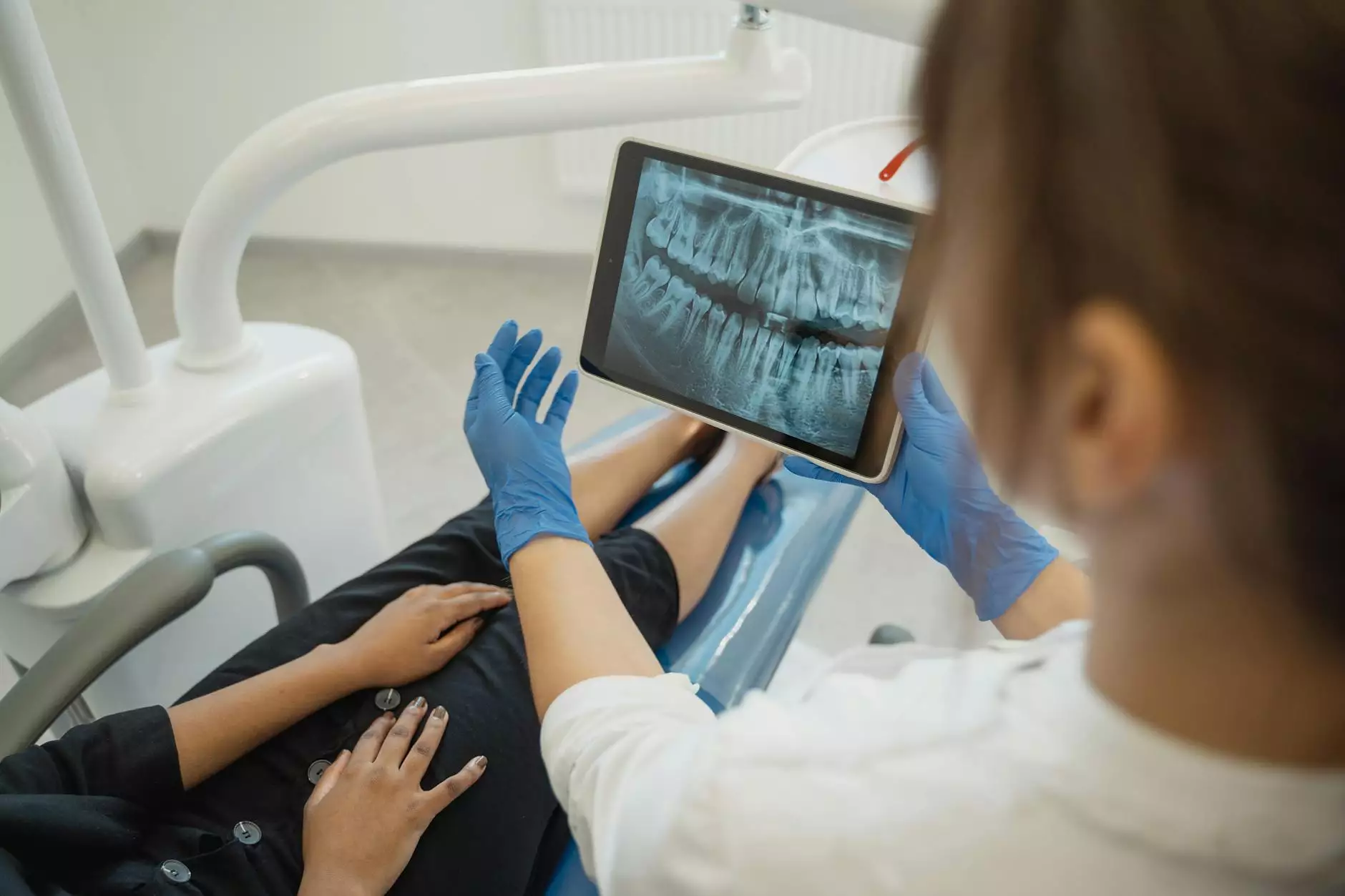
Dental health is a crucial aspect of overall well-being and confidence. Among the various dental restoration options available today, dental implants have emerged as the most durable, natural-looking, and effective solution for replacing missing teeth. However, many patients often wonder, "how much are dental implants" and what factors influence the pricing. This comprehensive guide will explore every facet of dental implants, including costs, benefits, procedural details, and how to make an informed decision for your oral health at wupdoc.com.
Understanding Dental Implants
Dental implants are precisely engineered artificial tooth roots, typically made of titanium or zirconia, that are surgically inserted into the jawbone. They serve as a sturdy foundation for attaching replacement teeth such as crowns, bridges, or dentures. Unlike traditional dentures or bridges, dental implants offer a permanent, stable, and natural appearance, enhancing comfort and functionality.
Why Are Dental Implants Considered the Best Tooth Replacement Option?
- Longevity: With proper care, dental implants can last a lifetime, making them a worthwhile investment.
- Bone Preservation: They stimulate the jawbone, preventing bone loss often associated with missing teeth.
- Natural Appearance and Feel: Custom-made crowns blend seamlessly with natural teeth in color and shape.
- Enhanced Chewing and Speech: Unlike removable dentures, implants restore normal function effectively.
- Improved Oral Health: They do not require adjacent teeth to be altered, maintaining overall dental integrity.
Factors Influencing the Cost of Dental Implants
When evaluating how much are dental implants, it's essential to consider numerous variables that impact the total cost. Dental implant pricing is not a one-size-fits-all figure but depends upon several key factors:
1. Type of Dental Implant
Different materials and implant designs influence pricing. Titanium implants are standard, whereas zirconia options may be slightly more expensive but offer increased biocompatibility.
2. Number of Implants Needed
The total cost escalates with the number of missing teeth requiring replacement. Single implants are less costly individually compared to full-arch or multiple tooth replacements.
3. Complexity of the Procedure
Factors such as bone quantity and quality can necessitate additional procedures like bone grafting or sinus lifts, which raise the overall cost.
4. Location and Reputation of the Dental Provider
Prices vary significantly based on geographic location, with urban and Western countries typically being more expensive. Additionally, experts with extensive experience and a reputation for excellence may charge higher fees.
5. Additional Procedures
Often, additional treatments like soft tissue management, sedation, or temporary restorations are required, which impact costs.
6. Type of Restoration
The choice of crowns, bridges, or dentures and the materials used, such as porcelain or zirconia, influence the total price.
Breakdown of the Typical Cost of Dental Implants
While costs vary, here is a general estimate of the expenses involved in dental implant treatment:
- Dental Implant Fixture (Post): $1,000 to $3,000
- Abutment and Crown: $500 to $3,000
- Preliminary Procedures (Bone Graft, Sinus Lift): $300 to $3,000 per procedure
- Additional Tests (Imaging, Scans): $200 to $600
Estimated total cost: $3,000 to $6,000 per implant. Multiple implants or full-arch restorations can range from $15,000 to over $30,000.
Are Dental Implants Covered by Insurance?
In many cases, dental insurance plans offer limited coverage for dental implants. It’s crucial to review your insurance policy and consult with your provider to understand coverage options, including deductibles and out-of-pocket expenses. Some dental plans or health savings accounts (HSAs) may significantly offset the costs, making implants more affordable.
Cost Comparison: Dental Implants vs Traditional Dentures and Bridges
While dental implants might appear costly upfront, they often provide better long-term value. Here's how they compare:
- Traditional Dentures: $1,000 to $3,000; but require replacements and adjustments over time, and may cause bone loss.
- Dental Bridges: $2,000 to $5,000 for a set; often require the alteration of adjacent healthy teeth and may need replacement after 10-15 years.
- Dental Implants: $3,000 to $6,000 per tooth, with potential for lifetime durability and preserved jawbone health.
Benefits of Investing in Dental Implants
Though the initial investment is higher, dental implants offer numerous advantages:
- Long-Term Durability: Designed to last a lifetime with proper care.
- Bone Preservation: Prevents gradual bone deterioration, maintaining facial structure.
- Enhanced Quality of Life: Improved chewing ability and speech, restoring normalcy.
- Natural Aesthetic: Provides a lifelike look, boosting confidence.
- Oral Hygiene: Easier to maintain compared to removable options.
Steps Involved in Dental Implant Treatment
Understanding the process helps in appreciating the costs involved and what to expect:
Step 1: Consultation and Planning
The process begins with a thorough dental exam, including X-rays or 3D imaging to evaluate jawbone density and plan the precise placement of implants.
Step 2: Surgical Placement of the Implant
The implant fixture is surgically inserted into the jawbone. This step may involve anesthesia and is typically performed under local anesthesia or sedation.
Step 3: Osseointegration Period
Allowing time—usually 3 to 6 months—for the implant to fuse with the surrounding bone, ensuring stability.
Step 4: Abutment Placement
After successful osseointegration, an abutment is attached to the implant to connect the implant with the prosthetic tooth.
Step 5: Final Restoration
The custom-made crown or bridge is secured onto the abutment, completing the treatment.
Factors That Can Reduce Dental Implant Costs
While costs can be significant, some strategies can help reduce the financial burden:
- Opting for All-on-4 or All-on-6 implants to replace multiple teeth with fewer implants.
- Choosing a reputable but less expensive treatment center with qualified implantologists.
- Utilizing financing options, payment plans, or dental care credit programs.
- Ensuring good oral hygiene and regular checkups to prolong the lifespan of implants and reduce future costs.
Choosing the Right Dental Provider for Implants
Quality care is paramount when it comes to dental implants: look for clinics with experienced oral surgeons or periodontists, advanced technology, positive patient reviews, and transparent pricing policies. WUPDOC offers a network of qualified professionals specializing in dental implant surgery and restoration, ensuring you receive top-tier dental care tailored to your needs.
Final Thoughts on how much are dental implants
Understanding how much are dental implants involves evaluating multiple factors, including the specific procedure, materials, provider expertise, and additional treatments needed. While the initial cost may seem high, the long-term benefits—such as durability, functionality, and preservation of jawbone integrity—make dental implants an investment in your health and confidence.
For personalized estimates and comprehensive consultation, connect with trusted professionals at wupdoc.com. With the right guidance and quality care, you can restore your smile and improve your quality of life through dental implants.